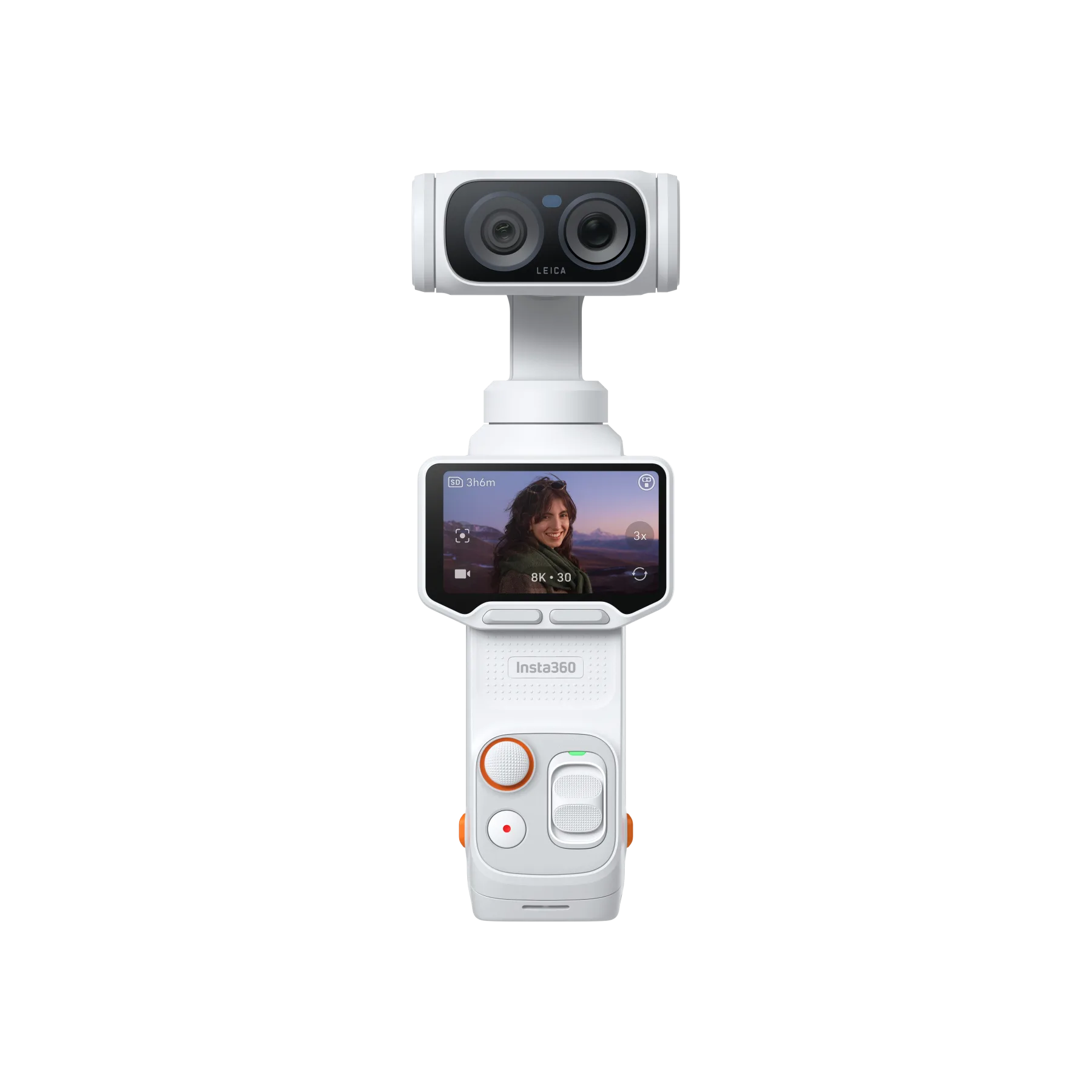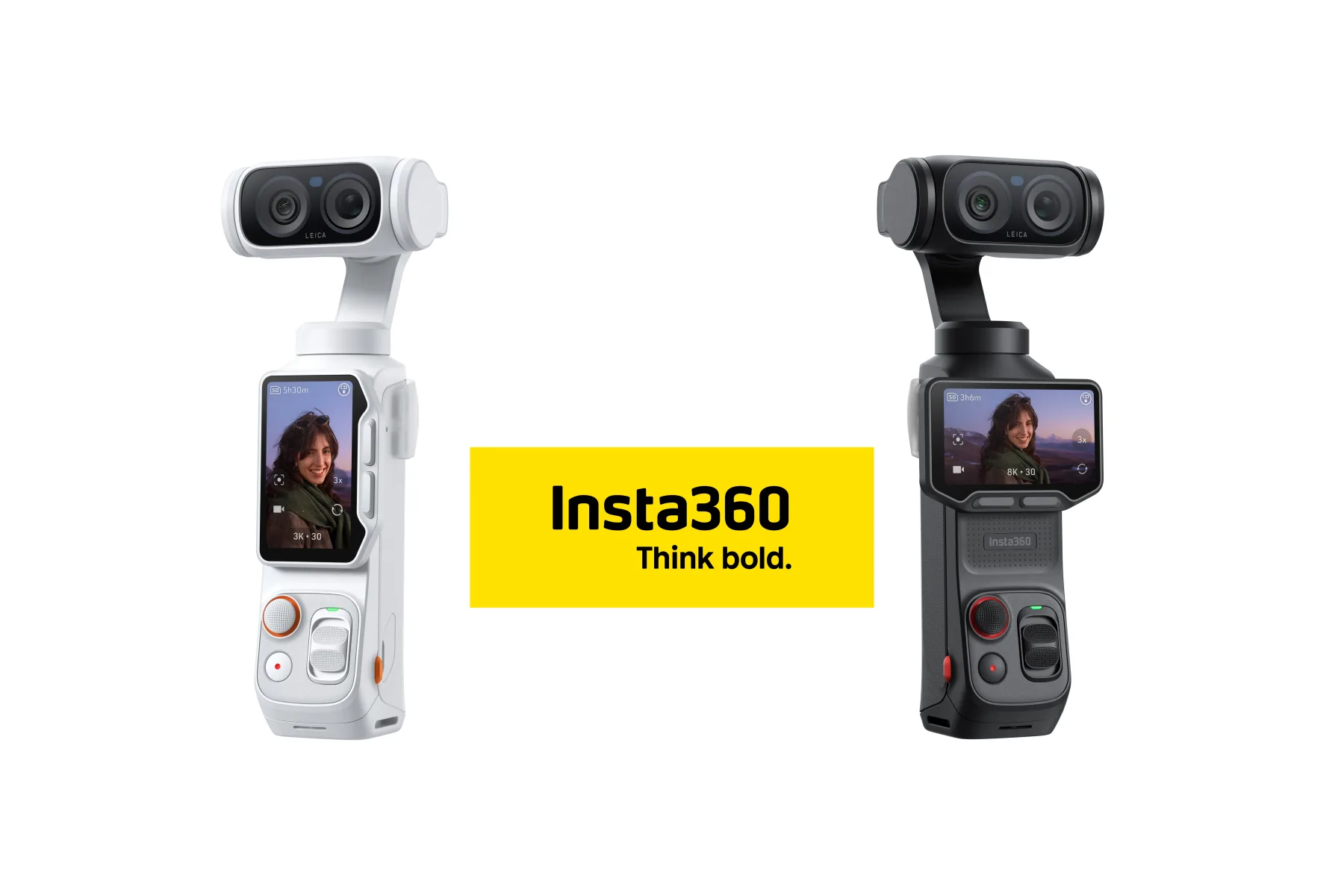
When Insta360 announced the Luna Ultra, many people immediately called it a DJI Osmo Pocket killer. That is a bold statement because DJI has dominated the pocket gimbal market for years.
After reading several reviews and examining the official specifications, I think Luna Ultra is not simply trying to copy DJI. Insta360 is taking a different approach, and in many ways it is more ambitious.
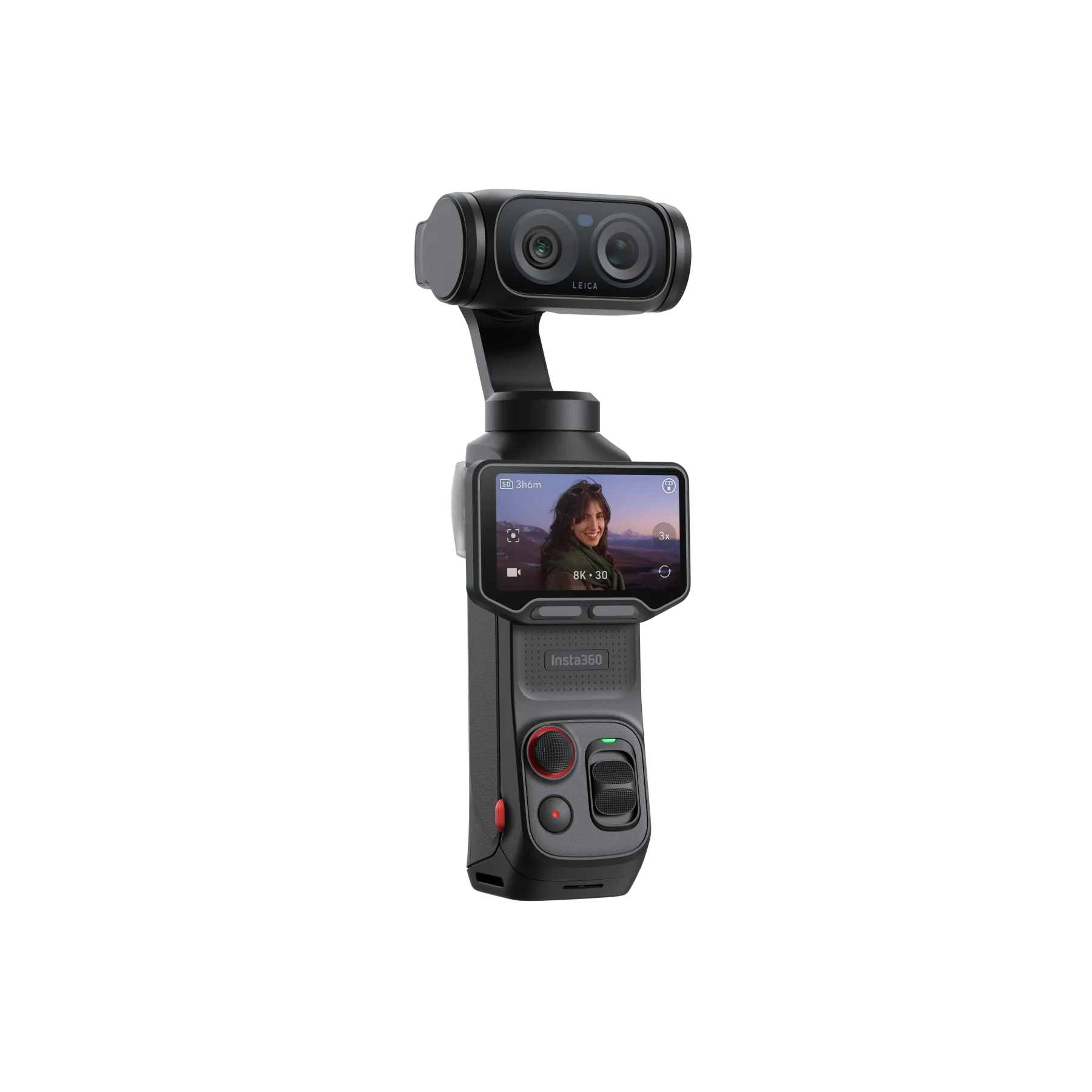
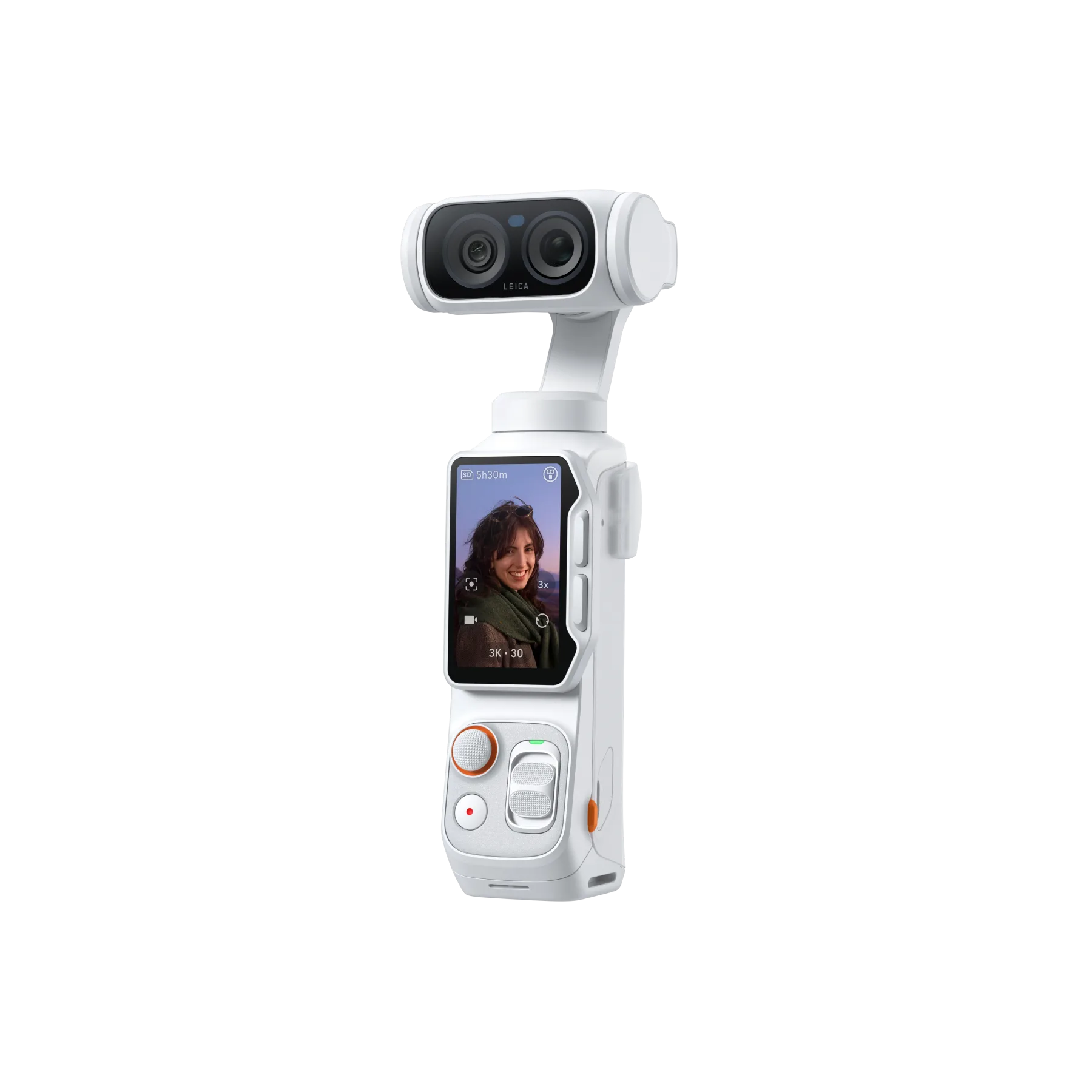
This camera combines a 1-inch Leica sensor, a second telephoto lens, mechanical 3-axis stabilization, a detachable OLED touchscreen, and 8K video recording in a body that weighs only 233 grams.
The result is one of the most interesting cameras released in 2026.
Technical Specifications
Main sensor: 1-inch CMOS
Secondary sensor: 1/1.3-inch CMOS telephoto
Main lens: Leica Summicron 20mm equivalent, f/1.8
Telephoto lens: 60mm equivalent, f/2.0
Video resolution: Up to 8K 30fps
4K recording: Up to 120fps
1080p recording: Up to 240fps
Photo resolution: 37MP UltraPhoto
Zoom: 6x lossless, 12x hybrid zoom
HDR: Dolby Vision HDR
Color profile: 10-bit I-Log
Dynamic range: Up to 14 stops
Stabilization: 3-axis mechanical gimbal + EIS
Display: Detachable 2-inch OLED touchscreen
Storage: 47GB internal + microSD up to 1TB
Battery: 1550mAh
Battery life: Up to 4 hours
Charging: USB-C 45W, 80% in around 23 minutes
Weight: 233g
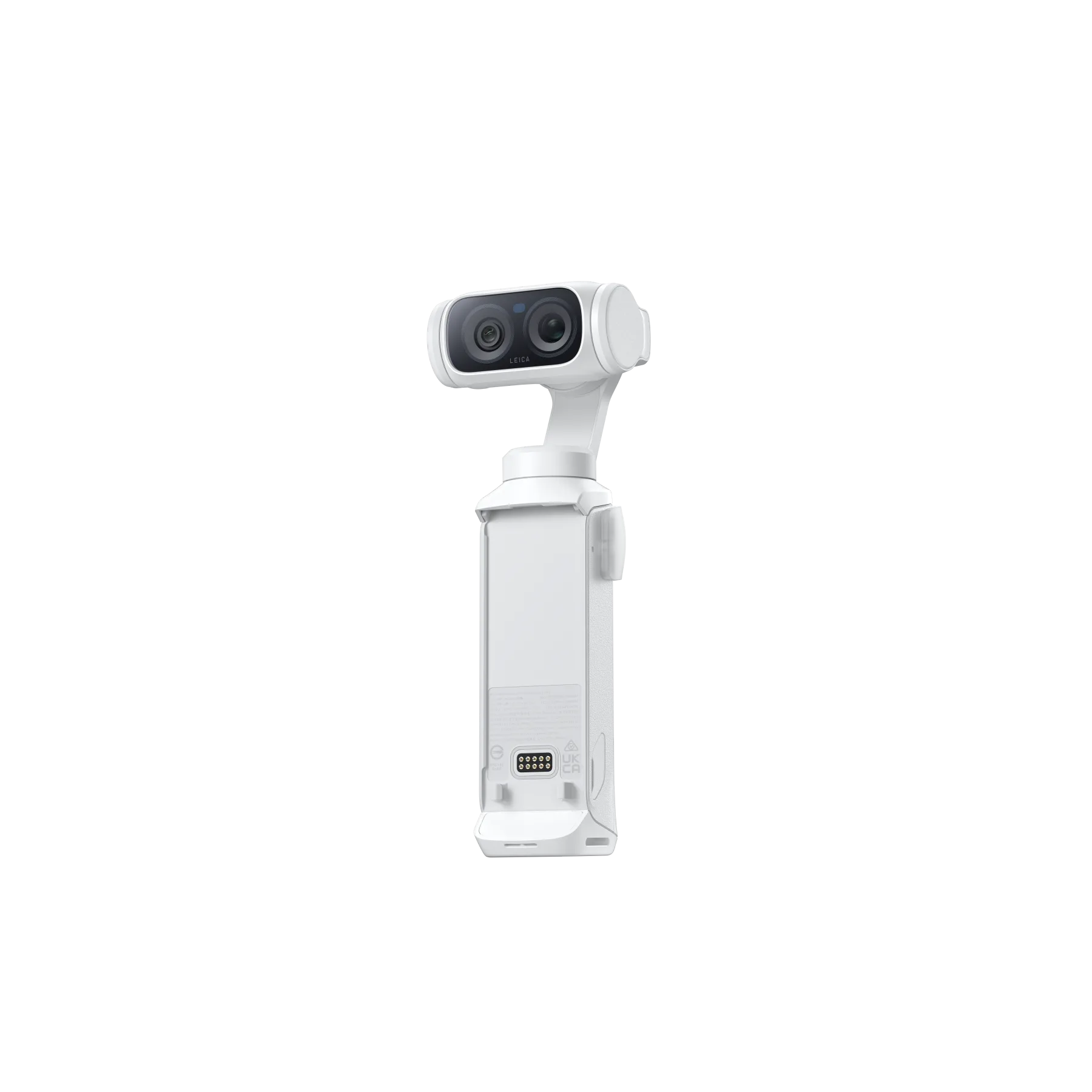
Dual Leica Cameras Change Everything
The biggest difference between Luna Ultra and most pocket cameras is its dual camera system.
The main camera uses a large 1-inch sensor paired with a Leica Summicron lens with a fast f/1.8 aperture. This lens is equivalent to 20mm on a full-frame camera and is designed for wide shots, travel videos, and vlogging.
The second camera uses a 1/1.3-inch sensor with a 60mm equivalent telephoto lens and an f/2.0 aperture.
That may not sound revolutionary until you actually use it.
Instead of digitally cropping your footage, Luna Ultra can physically switch to another lens. Portraits suddenly look more cinematic. Street photography becomes easier. You can zoom into distant objects while preserving much more detail than with traditional digital zoom.
The camera supports five focal lengths and offers up to 6x lossless zoom and 12x hybrid zoom.
For creators who travel a lot, this flexibility is incredibly useful.
Image Quality Is Better Than Expected
Luna Ultra records video in 8K at 30 frames per second.
Yes, 8K is still overkill for many people, but there is a practical reason why creators love it.
You can crop, stabilize, and reframe your footage during editing without sacrificing too much quality.
The footage coming out of Luna Ultra is sharp and detailed. Colors are vibrant but not exaggerated, and skin tones look natural in most situations.
Reviewers repeatedly praised the dynamic range. The camera is capable of capturing bright skies while still keeping details in shadows.
Dolby Vision HDR support also helps preserve highlights and gives footage a richer look on supported displays.
For people who color grade their videos, Insta360 includes a 10-bit I-Log profile, which provides much more flexibility during editing.
This is a serious feature usually found in much larger and more expensive cameras.
Low Light Performance
Small cameras often become noisy and soft when the sun goes down.
Luna Ultra performs surprisingly well.
The large 1-inch sensor collects a respectable amount of light, and Insta360's Triple AI Chip system processes images very effectively.
Night footage from city streets looks clean with controlled noise levels.
Indoor videos also look impressive as long as there is at least some ambient lighting.
There is even a dedicated PureVideo mode designed specifically for low-light recording at 4K 60fps.
No, it will not beat a full-frame Sony or Canon camera in darkness.
But for a camera that fits in your pocket, the results are genuinely impressive.
The Gimbal Is The Real Hero
While everyone talks about 8K and Leica lenses, the real magic of Luna Ultra is the stabilization.
The camera uses a physical 3-axis gimbal combined with electronic image stabilization.
Walking footage looks smooth and cinematic.
Running footage remains surprisingly stable.
Even zoomed shots stay usable thanks to the gimbal system.
This is an important difference compared to action cameras.
Electronic stabilization often crops the image and sometimes creates strange warping around the edges.
Mechanical stabilization simply looks more natural.
Several reviewers said they stopped carrying their normal gimbal after trying Luna Ultra.
That is probably the best compliment a camera like this can receive.
The Detachable OLED Screen Is Brilliant
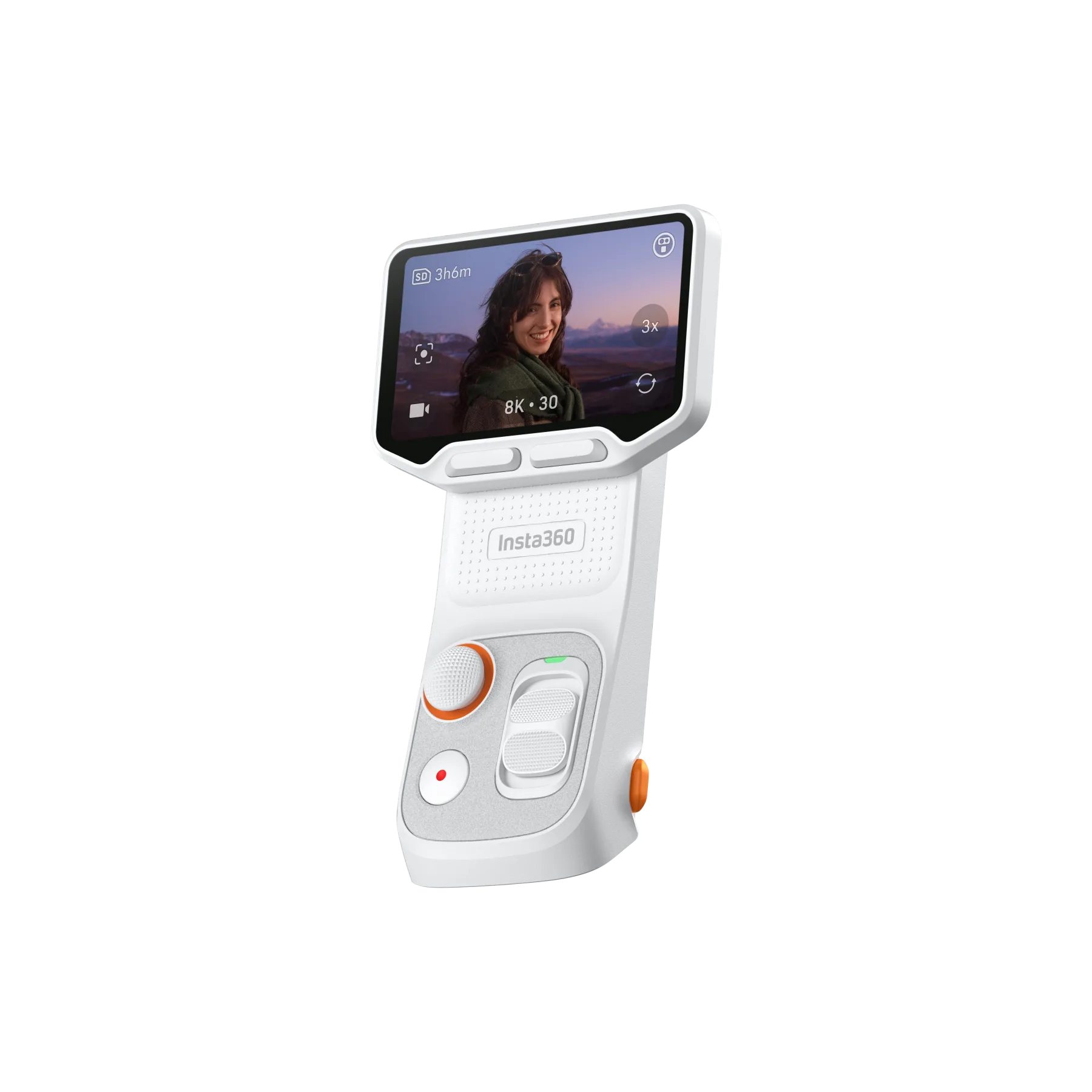
One of Luna Ultra's most unique features is the removable 2-inch OLED touchscreen.
You can detach it from the camera and use it as a wireless controller with live preview.
The wireless range is around 20 meters or about 65 feet.
For solo creators, this feature is incredibly useful.
You can place the camera across the room, check your framing, start recording, and adjust settings without touching the camera.
The screen also includes a built-in microphone, making remote recording even more practical.
No other pocket gimbal camera currently offers anything similar.
It feels like one of those features you initially ignore and then wonder how you ever lived without.
Photo Quality
Although Luna Ultra is marketed mainly as a video camera, its photography capabilities are surprisingly strong.
The camera captures 37MP images in UltraPhoto mode and supports RAW shooting.
Images are detailed with pleasing contrast and natural colors.
The telephoto lens is particularly useful for portraits because the 60mm equivalent focal length creates a more flattering perspective than the wide lens.
Macro photography is another pleasant surprise.
The telephoto lens can focus from just 15 centimeters away, allowing close-up shots of flowers, objects, and textures while keeping a pleasing background blur.
One downside mentioned by reviewers is the absence of focus peaking.
For casual users, this will not matter much, but advanced photographers may miss this feature.
Battery Life And Storage
Battery life is rated for up to four hours.
In real life, heavy 8K recording will reduce that number, but overall endurance is considered very good for a camera this small.
Charging is as fast as well.
Using a 45W USB-C charger, the battery can reach around 80 percent in approximately 23 minutes.
Luna Ultra includes 47GB of internal storage and supports microSD cards up to 1TB.
That should be enough for most creators, although 8K footage naturally consumes storage quickly.
Software And AI Features
Insta360 has invested heavily in AI features.
The most useful is Deep Track 5.0.
This system automatically follows people or objects and keeps them centered in the frame.
The tracking is fast and accurate, even when subjects move quickly.
Other creative modes include TimeLapse, Slow Motion, Dolly Zoom, Barrel Roll, and Panorama mode with AI stitching.
The companion mobile app remains one of Insta360's biggest strengths.
Transferring files is quick, and editing videos on your phone is simple, even for beginners.
Should You Buy The Insta360 Luna Ultra?
If you are looking for a compact camera with exceptional image quality, excellent stabilization, and features that genuinely improve your workflow, Luna Ultra is easy to recommend.
It is especially attractive for vloggers, travelers, solo creators, and anyone who wants professional-looking footage without carrying heavy gear.
It is not perfect.
The price is relatively high at around $770.
Some software features still need refinement, and professionals may miss advanced manual focus tools.
But those are relatively small complaints.
The truth is simple.
Insta360 did not just create another pocket camera.
They created a serious competitor to DJI with features nobody else currently offers.
Luna Ultra is innovative, powerful, and surprisingly mature for a first-generation product.
And if Insta360 continues to improve the software, DJI may finally have a real reason to worry.
Review by Gors